
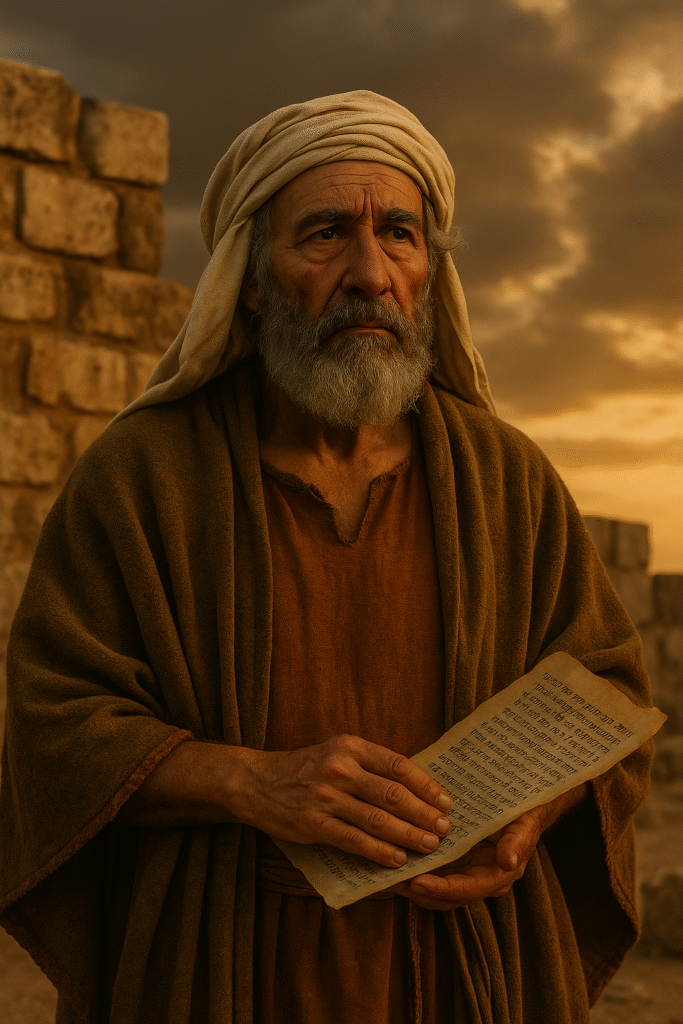
The Book of Malachi – Set 1 (Chapters 1–2: God’s Unfailing Love, Priestly Corruption, and Covenant Faithfulness)
Theme: God Confronts Spiritual Apathy and Calls His People Back to Covenant Faithfulness
1. Summary of Chapters 1–2
Chapter 1 – God’s Love and Israel’s Dishonour
Verses 1–5 – God Declares His Love
God begins, not with rebuke, but with love:
“I have loved you,” says the Lord.
But the people question His love. God reminds them of His covenant faithfulness by contrasting Israel (Jacob) with Esau (Edom). Edom will be judged, but Israel will be restored—because of God’s electing love.
Key truth: God’s rebuke flows from love, not anger.
Verses 6–14 – The Priests Dishonour God
God exposes the priests for offering defiled sacrifices:
- Blind, lame, and diseased animals
- Treating the Lord’s altar with contempt
- Worshipping with apathy and disrespect
“If I am a father, where is the honour due Me?” (1:6)
God declares that He would rather the temple doors be shut than receive empty, dishonouring worship.
Yet He also proclaims a future hope:
“My name will be great among the nations… incense and pure offerings will be brought to Me in every place.” (1:11)
This points to the global worship of Christ in the New Covenant.
Chapter 2 – Warnings to Priests and People
Verses 1–9 – Corrupt Leadership
God addresses the priests who had failed to uphold truth and reverence. They had led people astray by their teaching and their example.
“You have caused many to stumble… you have not followed My ways.” (2:8–9)
God reminds them of His covenant with Levi—a covenant of life, peace, and reverent fear. Priests are called to be messengers of the Lord Almighty, not casual handlers of holy things.
Verses 10–16 – Faithlessness in Marriage
The people were breaking covenant—not only with God but with one another:
- Men were divorcing the wives of their youth to marry pagan women
- This represented spiritual adultery as well as literal unfaithfulness
God declares:
“I hate divorce,” not because He hates people, but because divorce represents covenant betrayal, violence against oneness, and the breaking of love.
God calls His people back to faithfulness—to Him and to each other.
Verses 17 – The Weariness of God
The people accuse God of being unjust because evil people seem to prosper.
“Where is the God of justice?” they ask.
Malachi prepares the answer in the next chapter—the Lord will come, suddenly and in judgment.
2. Key Themes and Lessons
| Theme | Lesson |
|---|---|
| God’s Love Comes First | Every call to repentance begins with a revelation of God’s unchanging love. |
| True Worship Requires Honour | Worship that is casual, careless, or half-hearted dishonours God. |
| Priestly Responsibility | Those who represent God must uphold truth, integrity, and holiness. |
| Covenant Faithfulness | God is deeply concerned with relational faithfulness—both to Him and within marriage. |
| God’s Name Among the Nations | Malachi points forward to a time when God will be worshipped globally—not just in Jerusalem. |
3. Encouragement
Oh, this is rich!
God starts by saying, ‘I have loved you.’
Before He corrects anything, He establishes identity.
Because He’s not speaking to failures—He’s speaking to sons and daughters who have forgotten who they are.
The problem wasn’t that the people stopped worshipping—it’s that their worship lost honour.
They were doing the right things with the wrong heart.
And God says, ‘I would rather you close the doors than pretend.’
That’s not harsh—that’s love calling them back to authenticity.
Then He talks about covenant. Why?
Because God is a God of faithfulness.
He doesn’t break His promises—and He created us in His image to reflect that same commitment.
And when the people ask, ‘Where is the God of justice?’ God is like, ‘Oh, I’m coming! But are you ready?
Because when I come, I come to refine you, not just your enemies.’
This is not condemnation—this is invitation. God is saying:
‘Return to what’s real. Return to Me. Worship Me with your whole heart, and watch My glory fill your life.’
4. Reflection Questions
- Have I allowed routine or busyness to turn my worship into something casual rather than reverent?
- What does my worship—public and private—say about how I value God’s name?
- In what ways is God calling me back to covenant faithfulness—in my relationships, commitments, and words?
- Do I believe, deep in my heart, that God has loved me first? How should that shape my response to Him?
- Am I more focused on God judging others, or allowing Him to refine me first?
The Book of Malachi – Set 2 (Chapters 3–4: The Refining Fire, The Coming Messiah, and The Final Day of the Lord)
Theme: God Purifies His People and Promises the Coming of the Messenger and the King
1. Summary of Chapters 3–4
Chapter 3 – The Coming Messenger and the Refining Fire
Malachi begins with a stunning prophecy:
“Behold, I send My messenger, and he will prepare the way before Me.” (3:1)
This points to John the Baptist, who would prepare the way for Jesus, the Lord Himself.
The Lord Comes as a Refining Fire
- When the Lord comes, He will purify like a refiner’s fire and fuller’s soap.
- He will cleanse the priests so that offerings will once again be righteous.
- Judgment will come against sorcerers, adulterers, liars, oppressors, and those who do not fear God (3:5).
A Call to Return to Faithfulness
God declares:
“I the Lord do not change; that is why you… are not destroyed.” (3:6)
He accuses the people of robbing God by withholding tithes and offerings.
“Bring the whole tithe… and see if I will not open the windows of heaven and pour out blessing.” (3:10)
God is not demanding money — He is calling His people back to trust, honour, and obedience.
The Book of Remembrance
A faithful remnant fears the Lord and speaks with one another. God listens and records their names in a Book of Remembrance, promising:
“They shall be Mine… My treasured possession.” (3:17)
Chapter 4 – The Day of the Lord
This closing chapter of the Old Testament describes both judgment for the wicked and healing for the righteous.
For the Wicked:
“The day is coming… all the arrogant and every evildoer will be stubble.” (4:1)
For the Righteous:
“But for you who fear My name, the Sun of Righteousness will rise with healing in His wings.” (4:2)
This is a picture of Jesus Christ, bringing healing, restoration, and eternal joy.
The Return of Elijah
Malachi ends with a prophetic promise:
“Behold, I will send you Elijah the prophet before the great and awesome day of the Lord comes.” (4:5)
Jesus confirms this was fulfilled in John the Baptist (Matthew 11:14), while also pointing forward to a final prophetic fulfillment before His return.
2. Key Themes and Lessons
| Theme | Lesson |
|---|---|
| The Coming Messiah and His Messenger | God promises the arrival of John the Baptist and Jesus Christ as the fulfillment of His covenant. |
| Refining and Purification | God refines His people, not to destroy them, but to restore them to purity and true worship. |
| Faithfulness in Worship and Stewardship | Our giving reflects our honour and trust in God’s provision. |
| The Faithful Remnant | God remembers those who fear Him, writing their names in His Book of Remembrance. |
| Judgment and Restoration | The Day of the Lord will bring judgment for the wicked and healing for those who belong to Him. |
| Hope of Eternal Dominion | The “Sun of Righteousness” points to Christ’s victorious reign, where evil is destroyed and righteousness shines forever. |
3. Encouragement
Oh, come on—this is powerful!
God is not just going to show up to comfort—He is going to refine! Why?
Because He loves you too much to leave you bound, distracted, or divided.
The refiner’s fire isn’t punishment—it’s purification.
It burns away what never belonged in you so the real you—His image in you—can shine!
And then He speaks about tithes—not because God needs money, but because He wants your heart.
He’s saying, ‘Trust Me! Test Me! See if I won’t open the windows of Heaven over your life!’
That’s a Father inviting His children into blessing.
Then we see the faithful remnant—the ones who still honour God when the culture doesn’t.
God writes their names in a Book of Remembrance!
Come on—He sees you. Your faithfulness is not forgotten.
And then…the final promise: the Sun of Righteousness will rise with healing in His wings. That is Jesus!
Malachi ends not in darkness, but in blazing hope.
Christ the King will come—and when He comes, everything wrong will be made right.
So don’t be discouraged by what you see in the world.
The Fire is coming to purify, not destroy. The King is coming to reign, not retreat!
4. Reflection Questions
- Where do I need to invite the Lord’s refining fire, trusting that His correction leads to freedom?
- Is my worship wholehearted, or have I slipped into routine or apathy?
- Do I honour God in my giving, trusting Him as my Provider?
- Am I living as part of the faithful remnant — speaking often about the Lord and fearing His name in reverence?
- How does the promise of Jesus’ return impact the way I live day to day?
Overview of the Book of Malachi
Theme: God’s Unfailing Love and the Call to Return — Preparing the Way for the Messiah
1. Summary of the Book
The Book of Malachi is the final prophetic voice of the Old Testament, delivered to a people who had returned from exile, rebuilt the Temple, and resumed religious practice — but whose hearts had grown cold, complacent, and spiritually apathetic.
Malachi confronts this spiritual decline by revealing God’s heart through a series of divine conversations or “disputes.” In these dialogues, God speaks directly to His people’s questions and accusations, exposing the condition of their hearts while reaffirming His covenant love.
The book addresses:
- Priestly corruption and dishonour in worship
- Faithlessness in marriage and covenant relationships
- Withholding of tithes and offerings indicating mistrust in God’s provision
- Weariness and doubt among the people regarding God’s justice
Yet, despite the rebukes, Malachi begins and ends with hope — reminding Israel that:
“I have loved you,” says the Lord (Malachi 1:2)
He promises the coming of:
- The Messenger (John the Baptist), who will prepare the way
- The Lord Himself (Jesus Christ), who will purify, restore, and reign
- The Day of the Lord, bringing judgment on the wicked and healing for the righteous
Malachi closes the Old Testament with anticipation, preparing the world for the arrival of the Messiah and the dawn of the New Covenant.
2. Key Themes and Lessons
| Theme | Lesson |
|---|---|
| God’s Covenant Love | All correction begins with God’s deep, unwavering love for His people. |
| Honour in Worship | God desires wholehearted worship, not ritualistic or careless offerings. |
| Faithfulness in Relationships | Covenant faithfulness reflects the character of God and is central to true worship. |
| Refining and Purification | God refines not to punish, but to restore purity, purpose, and blessing. |
| Trust and Obedience | Genuine faith is demonstrated through honour in giving and living. |
| Hope in the Messiah | The book points forward to John the Baptist and Jesus Christ as the fulfillment of all covenant promises. |
| Eternal Justice and Restoration | The Day of the Lord will bring both judgment and healing — evil will be destroyed, and God’s Kingdom will be established. |
3. Encouragement
Oh, this is so powerful — God doesn’t end the Old Testament with anger or hopelessness.
He ends with love and a promise!
Even though the people were discouraged and distracted, God says, ‘I have loved you.’ That’s His starting point.
He calls them out of complacency not because He’s disappointed in them — but because He refuses to let them live beneath their identity.
Then He speaks of a Messenger who is coming — John the Baptist — and the Lord Himself who will suddenly come to His temple!
That’s Jesus! Malachi is pointing straight to the gospel.
And how does it all end? With this breathtaking image:
‘The Sun of Righteousness will rise with healing in His wings.’
Come on! That’s hope. That’s restoration.
Malachi isn’t the end — it’s the doorway.
It leaves us looking, longing, expecting the arrival of the One who will save, heal, refine, and reign.
Sister, this is the Father’s heart:
He confronts what keeps you bound because He is preparing you to walk in freedom.
He corrects because He loves.
And He always ends with hope.
4. Reflection Questions
- Have I allowed routine or discouragement to dull my hunger for God’s presence?
- Where might God be calling me to return to wholehearted worship and covenant faithfulness?
- How does understanding God’s unwavering love shape the way I respond to His correction?
- Do I live with the expectation and hope of Christ’s return and reign?
- How can I prepare my heart as one of those who “fear the Lord and speak with one another” (3:16) — the remnant God treasures?